carburetant
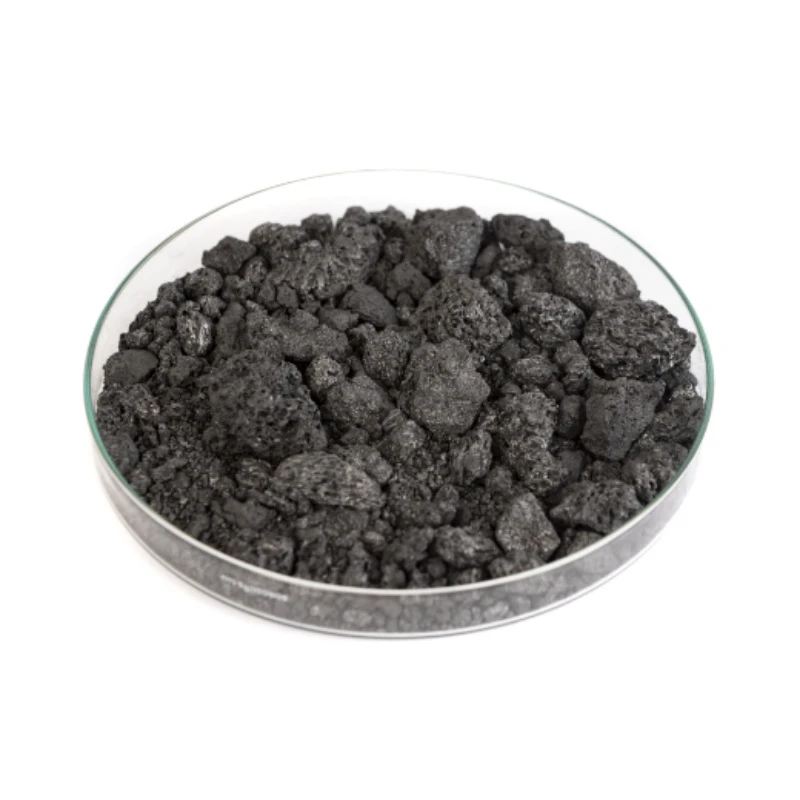
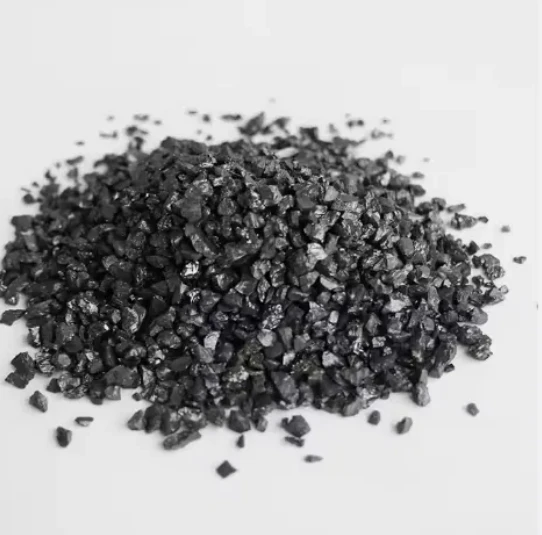
Understanding Carburetant: A Critical Additive in Metallurgy In the intricate world of metallurgy and material science, precise control over carbon content is paramount for achieving desired mechanical properties in metals. The term carburetant refers to a carbon-rich additive used to increase the carbon content in molten metal, primarily iron and steel, during the casting or refining process. This essential material, also known as a recarburizer or carbon raiser, plays a pivotal role in optimizing material strength, hardness, and machinability. Our focus here is on advanced low-sulphur carbon additives, specifically a 90% carbon content recarburizer, engineered for superior performance in demanding industrial applications. The metallurgical industry's pursuit of higher quality, more durable, and increasingly specialized alloys necessitates the use of high-performance carbon additives. These additives must not only provide efficient carbon recovery but also introduce minimal impurities, such as sulfur and ash, which can significantly degrade material properties. Understanding the nuances of a premium carburetant is key to achieving consistent, high-standard metal production. Industry Trends in Carbon Additives The metallurgical industry is continuously evolving, driven by stringent quality requirements, environmental regulations, and the demand for higher performance materials. Key trends influencing the carburetant market underscore a shift towards precision, purity, and sustainability: Emphasis on Ultra-Low Sulfur Content: With increasing environmental concerns and the detrimental effects of sulfur on material properties (e.g., hot shortness, reduced ductility, poor weldability), the demand for low-sulfur carbon additives is surging. Advanced recarburizer products, like our 90% carbon content additive, are designed to ensure minimal impurity introduction, which is critical for high-grade steel and ductile iron production. High Carbon Recovery Rates and Dissolution Efficiency: Economic pressures and the need for consistent melt chemistry drive the demand for efficient material utilization. Modern carbon raiser products offer superior carbon recovery, meaning more carbon is absorbed into the melt and less is lost to slag or oxidation. This efficiency leads to significant cost savings, improved process control, and consistent quality of the final metal. Granular Consistency and High Purity: Foundries and steel mills require highly consistent product quality to maintain stable and predictable processes. Trends show a clear preference for uniform particle size distribution, low ash content, and high purity levels to prevent unwanted reactions, minimize slag formation, and ensure homogeneous carbon distribution throughout the melt. This often leads to increased adoption of graphite recarburizer materials due to their inherent purity. Sustainable Sourcing and Production: The industry is increasingly moving towards more environmentally responsible practices, including the sustainable sourcing of raw materials and the implementation of energy-efficient production processes for carbon additives. This also includes minimizing waste during application (e.g., less dusting). Customized Solutions and Technical Support: Generic products are often insufficient for specialized applications. The market is increasingly demanding customized carbon raiser uses solutions tailored to specific furnace types, melting practices, and final material specifications. Vendors offering robust technical support and collaborative solution development are gaining a competitive edge. Manufacturing Process of High-Purity Carbon Additives The production of high-quality carburetant , such as our Low Sulphur Carbon Additive, involves a meticulously controlled multi-stage process to ensure optimal purity, carbon content, and reactivity. Unlike finished metal parts that undergo processes like casting or CNC machining, the manufacturing of a carbon additive focuses on refining carbon-rich raw materials to precise specifications. Process Flow Overview: 1. Raw Material Selection: The foundation of a premium recarburizer is the selection of high-quality carbonaceous raw materials. For our top-tier product, this primarily includes calcined petroleum coke (CPC) or graphitized petroleum coke (GPC), specifically chosen for their inherently low sulfur and ash content, high fixed carbon, and consistent chemical composition. Anthracite coal, when suitably processed, can also be a viable option for specific applications requiring a cost-effective, high-carbon source. 2. Crushing and Grinding: Selected raw materials are subjected to controlled crushing and grinding processes. This stage is critical for achieving a specified particle size distribution, which directly impacts the dissolution kinetics and carbon recovery rate in the molten metal. Precise sizing minimizes dusting and optimizes interaction with the melt. 3. Calcination or Graphitization: Depending on the raw material and desired final properties, a calcination or graphitization step is employed. Calcination: Involves heating petroleum coke to high temperatures (1200-1350°C) in a rotary kiln. This process removes volatile matter and moisture, significantly increases the fixed carbon content, enhances density, and improves electrical conductivity. Graphitization: For producing graphite recarburizer , the calcined material is heated to extremely high temperatures (2500-3000°C) in a graphitization furnace. This transforms the amorphous carbon into a highly ordered hexagonal graphite crystalline structure, resulting in exceptional purity (ultra-low sulfur and ash) and high reactivity, which are superior for demanding applications. 4. Screening and Sizing: After thermal treatment, the material undergoes precise multi-stage screening. This ensures a uniform particle size distribution, crucial for predictable dissolution rates, reduced material segregation, and minimizing dust generation during handling and addition. We offer customizable particle sizes (e.g., 1-5mm, 3-8mm, 5-10mm) to suit various furnace types and operational preferences. 5. Quality Control and Testing: Throughout every stage of production, rigorous quality control measures are implemented. This includes comprehensive elemental analysis (Fixed Carbon, Sulfur, Ash, Volatile Matter, Nitrogen), density measurements, moisture content, and particle size distribution checks. Our products adhere to stringent international standards such as ISO 9001 for quality management, and meet specific industry benchmarks (e.g., ASTM, ANSI where applicable for material composition). Each batch is accompanied by a Certificate of Analysis (COA). 6. Packaging: The finished carbon raiser is meticulously packaged in moisture-proof bags (e.g., 25kg multi-ply paper bags, 1MT jumbo bags) to maintain its integrity, prevent contamination, and ensure safe, efficient transport and storage. Step 1: Material Selection High-purity carbon sources (e.g., graphitized petroleum coke) for superior results. Step 2: Crushing & Sizing Achieving optimal particle distribution for efficient and consistent dissolution. Step 3: Calcination/Graphitization Removing volatiles, enhancing carbon structure for maximum purity and reactivity. Step 4: Quality Assurance Rigorous testing against ISO and industry standards for purity, content, and consistency. Technical Specifications and Parameters Our Low Sulphur Carbon Additive with 90% Carbon Content Recarburizer is engineered to meet the most demanding metallurgical requirements. Understanding the precise technical parameters is crucial for optimal application and predictable outcomes in molten metal processes. These specifications are rigorously tested and verified to ensure consistent performance. Typical Product Specifications for Premium Carburetant: Parameter Value Testing Standard Fixed Carbon (min) 90.0% ISO 17247:2018 Sulfur (max) 0.05% ASTM E395 / ISO 15350 Ash (max) 8.0% ISO 1171 Volatile Matter (max) 1.0% ISO 5071-1 Moisture (max) 0.5% ISO 589 Nitrogen (max) 0.01-0.03% (depending on grade) ASTM E1019 Particle Size 1-5mm, 3-8mm (customizable options available) ISO 1953 Carbon Recovery Rate >90% (highly dependent on process conditions) Internal Testing & Client Verification Key Technical Concepts Explained: Fixed Carbon (FC): This is the most crucial parameter, representing the percentage of pure carbon available for absorption into the molten metal. A higher fixed carbon percentage in a recarburizer means greater efficiency and less inert material introduced, leading to cleaner metal and more precise carbon adjustments. Our 90% FC ensures maximum metallurgical effectiveness. Sulfur Content: Sulfur is a significant detrimental impurity in most ferrous alloys. It can lead to hot shortness in steel and promote brittle cementite formation in cast iron, hindering graphitization. Our ultra-low sulfur content (<0.05%) carbon raiser mitigates these risks, improving material integrity, ductility, and machinability, while also reducing the need for costly desulfurization steps. Ash Content: Ash comprises the non-combustible inorganic residues that remain after burning the carbon material. High ash content contributes to increased slag volume, potential for non-metallic inclusions in the melt, and can negatively affect the metal's mechanical properties. Our product's low ash content ensures cleaner metal production. Volatile Matter (VM): Volatile matter refers to compounds that vaporize at elevated temperatures. High VM can lead to excessive gas evolution in the melt, increasing porosity and reducing carbon dissolution efficiency. Low volatile matter in a carburetant ensures a smoother, more stable addition process and better carbon recovery. Particle Size Distribution (PSD): The uniformity and range of particle sizes directly impact dissolution rates and dusting. Finer particles dissolve faster but can increase dusting and surface oxidation losses; coarser particles dissolve slower but offer better penetration into the melt. We offer customizable PSDs to optimize performance for various furnace types (e.g., induction, electric arc) and specific charge materials, ensuring efficient and predictable carbon pickup. Nitrogen Content: While sometimes desired in specific applications, excessive nitrogen can be detrimental, leading to porosity or affecting microstructure. Our controlled low nitrogen levels ensure compatibility with a wide range of ferrous alloys. Application Scenarios and Target Industries Our premium Low Sulphur Carbon Additive serves as a critical recarburizer across a broad spectrum of industries where precise carbon control in molten metals is indispensable. Its high fixed carbon and low impurity profile make it ideal for demanding metallurgical processes, offering versatility and reliability. Key Application Areas and Carbon Raiser Uses: Foundries (Cast Iron Production): Essential for adjusting carbon equivalent in various cast iron types, including gray iron, ductile iron, and malleable iron castings. Proper carbon content ensures desired graphite morphology (e.g., spheroidal graphite in ductile iron), prevents chilled edges, minimizes shrinkage defects, and significantly improves mechanical properties such as tensile strength, hardness, and wear resistance. It's a cornerstone for producing high-quality automotive components (engine blocks, brake discs), industrial machinery, and pipe fittings. Steel Manufacturing: Widely used in electric arc furnaces (EAF), induction furnaces, and ladle metallurgy during the production of various steel grades. It's crucial for elevating carbon levels in carbon steel, alloy steel, and specialty steels, thereby influencing properties like hardness, strength, toughness, and weldability. The low sulfur nature is particularly beneficial for high-grade steels where impurity control is paramount for achieving fatigue resistance and corrosion resistance. Specialty Alloy Production: Critical for precise carbon additions in high-performance alloys such as nickel-based superalloys, cobalt-based alloys, and other advanced materials used in aerospace, defense, and energy sectors. In these applications, even minor compositional deviations can significantly impact the material's high-temperature strength, creep resistance, and overall service life. Brake Disc and Automotive Component Manufacturing: In the demanding automotive sector, consistent carbon content in cast iron for brake discs, cylinder heads, and other powertrain components is crucial for optimal friction properties, thermal stability, and wear resistance, directly impacting vehicle safety and performance. Roll Manufacturing: For manufacturing industrial rolls used in metal forming, paper mills, and other heavy-duty applications, a specific carbon content combined with other alloying elements contributes to achieving the required surface hardness, deep hardening capability, and exceptional wear resistance. Sintering and Powder Metallurgy: Used as a carbon source in certain sintering processes to achieve desired carbon levels in metallic powders, influencing the final density and mechanical properties of sintered components. Target Industries: Metallurgy & Foundries: The primary sector, encompassing all facets of steel, cast iron, and specialty alloy production globally. Automotive Industry: For manufacturing engine blocks, cylinder heads, brake components, chassis parts, and other critical cast or forged components that demand high strength and durability. Heavy Machinery & Construction: Production of durable and robust parts for excavators, cranes, agricultural equipment, railway components, and structural steel elements requiring high wear resistance and structural integrity. Renewable Energy Sector: Manufacturing high-strength components for wind turbines (e.g., hubs, gearboxes), hydropower systems, and other energy infrastructure requiring materials that can withstand extreme operational conditions. Oil & Gas Industry: For casting and forging parts (e.g., valves, pumps, drilling equipment) that must withstand extreme pressures, temperatures, and corrosive environments inherent in exploration and production. Mining & Cement: Used in the production of wear-resistant parts for crushing, grinding, and material handling equipment. Technical Advantages and Performance Benefits Leveraging our advanced Low Sulphur Carbon Additive as a carburetant provides numerous technical and operational advantages that directly translate to enhanced product quality, increased efficiency, and reduced operational costs for metallurgical facilities. These benefits are derived from its superior chemical purity and optimized physical properties. 1. Superior Carbon Recovery & Rapid Dissolution: Our 90% fixed carbon recarburizer boasts exceptional carbon recovery rates (typically >90%), ensuring efficient carbon pickup. Its optimized particle morphology, high density, and low volatile content facilitate rapid and complete dissolution in molten metal, minimizing loss to oxidation and slag. This leads to more precise carbon adjustments, shorter processing times, and reduced material consumption, directly impacting energy savings (less time at melt temperature) and overall productivity. 2. Ultra-Low Sulfur Content for Enhanced Material Properties: With a maximum sulfur content of 0.05%, our additive significantly reduces the risk of sulfur-induced defects such as hot shortness, embrittlement, and increased porosity in the final product. This is particularly crucial for high-performance steels and ductile iron where precise sulfur control is paramount for achieving desired mechanical properties, including improved ductility, toughness, and excellent corrosion resistance, especially in demanding service environments. 3. Minimal Impurity Introduction for Cleaner Metal: The consistently low ash and volatile matter content ensures that our graphite recarburizer introduces minimal unwanted elements into the melt. This high purity helps maintain the integrity of the alloy chemistry, significantly reduces slag volume, and prevents the formation of non-metallic inclusions that can compromise material strength, fatigue life, and surface finish. 4. Consistent Quality for Process Stability: The rigorous manufacturing process, multi-stage screening, and strict quality control measures ensure a highly consistent product from batch to batch. This uniformity in fixed carbon content, particle size distribution, and purity allows foundries and steel mills to achieve stable and repeatable metallurgical processes, leading to reduced rejects, less rework, and a more predictable output, enhancing overall operational reliability. 5. Enhanced Microstructure and Superior Mechanical Properties: By enabling precise carbon control, our carbon raiser contributes to optimal microstructure formation (e.g., proper graphite nodularity and distribution in ductile iron, desired carbide distribution in tool steels). This translates directly into improved tensile strength, hardness, wear resistance, impact toughness, and machinability of the final cast or forged components, meeting stringent performance criteria. 6. Environmental and Cost-Efficiency Benefits: Efficient carbon recovery reduces the need for excessive additive usage, thereby lowering overall raw material costs. The low sulfur content also aligns with stricter environmental regulations by reducing SOx emissions associated with melting processes, contributing to a more sustainable operation. Reduced slag generation also lowers waste disposal costs. 7. Versatility Across Melting Units: Designed for seamless compatibility with a wide range of melting units, including coreless induction furnaces, channel induction furnaces, electric arc furnaces, cupola furnaces, and for ladle additions. This versatility provides flexibility for diverse operational setups and integration into existing production lines without significant process modifications. Vendor Comparison: Why Choose Our Recarburizer? In a competitive market, selecting the right recarburizer supplier is critical for operational efficiency, product quality, and long-term cost-effectiveness. Our commitment to excellence in manufacturing, rigorous quality assurance, and dedicated customer service sets us apart from typical market alternatives. Key Differentiators in Carbon Additive Performance: Feature Our Low Sulphur Carbon Additive (90% FC) Typical Market Alternatives (e.g., lower grade CPC/Anthracite) Fixed Carbon Content ≥90% (High Efficiency) 75-88% (Lower carbon yield, more inert material) Sulfur Content ≤0.05% (Ultra-Low) 0.1-0.5% (Significant risk of sulfur pickup, requiring desulfurization) Ash Content ≤8.0% (Minimized Slag) 8-15% (Higher slag volume, increased impurities) Volatile Matter ≤1.0% (Stable Addition) 1.5-3.0% (More gas evolution, potential for porosity, lower carbon recovery) Carbon Recovery Rate >90% (High Efficiency) 65-85% (Higher material waste, inconsistent results) Consistency & QC ISO 9001 Certified, Batch-Tested COA Variable, less stringent quality control, potential for batch inconsistency Customization & Support Extensive particle size, packaging, specific blends, technical support Limited or no customization, minimal technical guidance Our long-standing presence in the market, coupled with ISO certifications and a global clientele, underscores our authoritativeness as a trusted supplier of carbon raiser solutions. We are not just suppliers; we are partners dedicated to optimizing your metallurgical processes. Our customer feedback consistently highlights our product's reliability and the significant improvements it brings to their end products, often translating into energy savings (e.g., reduced melting time due to optimized melt chemistry) and enhanced corrosion resistance of cast components due to minimized impurities and stable microstructure. Customized Solutions and Technical Support Recognizing that every metallurgical operation has unique requirements, from furnace type and charge materials to desired final product properties, we specialize in providing tailored carbon raiser solutions. Our highly experienced technical team works closely with clients to understand their specific challenges and optimize the application of our carburetant , ensuring maximum efficiency and metallurgical success. Particle Size Optimization: The ideal particle size for a recarburizer varies significantly depending on the melting unit (e.g., induction furnace, electric arc furnace), the method of addition (e.g., in-ladle, furnace addition), and the type of charge material. We offer a range of standard and custom particle size distributions to ensure optimal dissolution rates, minimal dusting, and maximum carbon recovery for your specific operational setup. Specific Chemical Profiles: While our standard product is of the highest purity, some specialized applications may require specific trace element control (e.g., very low nitrogen) or slightly altered carbon profiles. We possess the capabilities to develop bespoke blends and modify raw material selection to meet these precise metallurgical needs, supporting the development of advanced alloys. Flexible Packaging Solutions: We offer a variety of packaging options to integrate seamlessly into your operational logistics and handling systems. These include 25kg multi-ply paper bags for manual additions, 1-ton (or other custom weight) jumbo bags for automated feeding systems, and bulk shipments, ensuring ease of use and reduced handling costs. On-site Technical Consultation and Training: Our team of experienced metallurgists and process engineers provides comprehensive technical support, including on-site consultation. This involves guidance on optimal addition methods, dissolution kinetics, and process troubleshooting to help maximize the benefits of our carbon additive, improve operational efficiency, and resolve specific metallurgical challenges. We can also provide training for your operational staff on best practices. Commitment to Service Excellence: Our commitment extends well beyond the delivery of a superior product. We offer comprehensive after-sales support, including performance monitoring, detailed data analysis, and continuous process improvement recommendations. Our technical experts are readily available to address any queries or challenges you may encounter, ensuring uninterrupted and efficient operations for our valued partners. We believe in building long-term relationships through consistent product quality and unparalleled service. Application Case Studies Case Study 1: Automotive Foundry Enhances Ductile Iron Quality and Reduces Rejects A leading automotive component foundry specializing in ductile iron castings was experiencing inconsistent mechanical properties, particularly tensile strength and elongation, and occasional porosity in their high-volume production. These issues were attributed to fluctuating carbon content and higher-than-desired sulfur levels introduced by their incumbent recarburizer . Upon implementing our Low Sulphur Carbon Additive (90% Fixed Carbon, <0.05% Sulfur) as their primary carbon raiser , they observed immediate and significant improvements: Result: A 20% reduction in casting rejects primarily due to improved graphite nodularity and a significant decrease in porosity, particularly micro-porosity. The consistent low sulfur intake also improved their response to inoculation treatments. Benefit: Enhanced and more consistent tensile strength and elongation in their ductile iron components, enabling them to reliably meet increasingly stringent OEM specifications. The minimal sulfur content substantially reduced the need for additional desulfurization treatments, leading to cost savings of approximately 8% in material and processing time. Experience: The foundry's operations team reported increased confidence in their production consistency and a noticeable reduction in post-casting rework and quality control interventions. The overall efficiency and throughput of their casting line improved, boosting their competitive edge. Case Study 2: Specialty Steel Mill Achieves Faster Carbon Adjustment and Energy Savings in EAF A specialty steel mill, producing high-alloy steels in an Electric Arc Furnace (EAF), sought to optimize their carbon adjustment process. Their objective was to achieve faster and more predictable carbon pickup, higher recovery rates, and to shorten tap-to-tap times, thereby reducing energy consumption. Their previous graphite recarburizer was causing excessive dusting, slow dissolution, and inconsistent carbon recovery. Result: The implementation of our optimized particle size carburetant led to a 12% reduction in carbon addition time per heat and a 7% increase in carbon recovery efficiency. The consistent high purity also contributed to a cleaner melt. Benefit: A significant improvement in EAF productivity was realized, with an average reduction of 5 minutes per heat. This translated into a measurable reduction in overall energy consumption of approximately 4% per ton of steel produced, aligning perfectly with the mill's energy-saving initiatives and carbon footprint reduction goals. Experience: Operators reported less dusting and a much cleaner working environment, alongside more predictable and consistent carbon levels in the final steel, leading to fewer adjustments and less off-spec material. The technical support provided by our team ensured a smooth transition and optimized integration into their existing process. Frequently Asked Questions (FAQ) Q1: What is the primary difference between a carburetant and a traditional carbon source like metallurgical coke? A: While both are used to add carbon, a premium carburetant like our 90% carbon content recarburizer is specifically manufactured for high purity (very low sulfur, ash, and volatile matter), high fixed carbon content, and optimized particle size for efficient and rapid dissolution. Traditional metallurgical coke typically has higher impurity levels, lower fixed carbon, and less consistent physical properties, making it less precise and potentially detrimental to the quality of high-grade metals. Q2: How does low sulfur content in a recarburizer benefit my casting process? A: Low sulfur content is critically important because sulfur is a detrimental impurity in iron and steel that can lead to various defects. In cast iron, high sulfur promotes carbide formation, reduces graphite nodularity (leading to brittle materials), and negatively affects inoculation response. In steel, it causes hot shortness and reduced ductility. Using a low sulfur carbon raiser minimizes these risks, significantly improving the mechanical properties, corrosion resistance, and overall quality of the final product while reducing the need for costly desulfurization processes. Q3: Can your carburetant be used in both induction and electric arc furnaces, and for ladle additions? A: Yes, our Low Sulphur Carbon Additive is highly versatile and specifically engineered for effective use in a wide array of melting units, including coreless induction furnaces, channel induction furnaces, electric arc furnaces, and cupolas. It is also excellent for precise carbon adjustments during ladle metallurgy. We offer various particle size distributions to optimize dissolution rates and recovery efficiency for each specific furnace type and application method, ensuring maximum metallurgical performance across your operations. Q4: What are your typical lead times for bulk orders and how do you ensure reliability? A: Our standard lead time for bulk orders is typically 2-4 weeks from order confirmation, depending on the specific product, customization requirements, and order volume. We maintain robust inventory levels and efficient, strategically located logistics networks to ensure timely and reliable delivery. For urgent requirements or large-scale projects, we encourage clients to discuss specific timelines with our sales team to explore expedited shipping options and production scheduling to meet critical deadlines. Q5: What kind of warranty and customer support do you offer for your carbon additives? A: We stand behind the superior quality of our products with a comprehensive product warranty, guaranteeing adherence to all published technical specifications and purity levels as outlined in our Certificates of Analysis (COA). Our dedicated customer support team and experienced technical experts are available for ongoing assistance, including pre-sales consultation, order management, technical troubleshooting, and post-delivery optimization advice. We provide multi-channel support to ensure prompt and effective communication, aiming to foster long-term partnerships built on trust and consistent performance. Authoritativeness and Trustworthiness Our unwavering commitment to quality, technical excellence, and customer satisfaction is the cornerstone of our operations, evidenced by our industry certifications, extensive experience, and global partnerships. Certifications: We are proud to be ISO 9001:2015 certified, a testament to our stringent adherence to international quality management standards across all facets of manufacturing, supply chain, and customer service. This certification assures our clients of consistent product quality and reliable processes. Industry Experience: With over two decades of specialized experience in advanced graphite and carbon material solutions, we have cultivated deep technical expertise and built an unparalleled reputation for reliability and innovation. Our long-standing presence in the market is a testament to our enduring quality and customer trust. Global Partnerships: Our premium carbon raiser products are trusted and utilized by leading foundries, steel mills, and specialty alloy manufacturers across North America, Europe, and Asia. We pride ourselves on cultivating long-term, mutually beneficial relationships with our clients, based on consistent product performance, responsive technical support, and transparent business practices. Rigorous Testing & Validation: Every single batch of our carbon additive undergoes exhaustive quality control testing. We provide comprehensive Certificates of Analysis (COA) with every shipment, ensuring full transparency regarding product specifications and compliance with international standards, giving our clients complete confidence in the material they receive. Research and Development: We continuously invest in R&D to enhance our product formulations and manufacturing processes, ensuring our carbon additives remain at the forefront of metallurgical technology and address evolving industry demands for higher purity and efficiency. Lead Time, Warranty & Customer Support Lead Time and Fulfillment Details: We understand the critical importance of timely and consistent supply in metallurgical operations to prevent costly downtime. Our highly efficient production planning and streamlined global logistics ensure robust order fulfillment. Standard lead times for our Low Sulphur Carbon Additive are typically 2-4 weeks from the official order confirmation, though this can vary based on order volume, specific customization requirements, and current production schedules. We leverage a robust and diversified supply chain to minimize potential delays and proactively communicate any unforeseen circumstances. For urgent or time-sensitive requirements, clients are encouraged to contact our dedicated sales team to discuss priority scheduling and expedited shipping options to ensure project continuity. Warranty Commitments: Our products are supplied with a steadfast guarantee of meeting the comprehensive published technical specifications and purity levels as meticulously outlined in our official Certificates of Analysis (COA) issued for each batch. This warranty covers the chemical composition, physical properties, and consistency as specified. Should any product fail to meet these agreed-upon standards upon receipt and inspection, we are fully committed to prompt and satisfactory resolution, which may include replacement of the material, credit, or other mutually agreed-upon solutions, in strict accordance with our comprehensive terms and conditions of sale. Your operational success and satisfaction are our paramount concerns. Dedicated Customer Support and After-Sales Service: Our commitment to our partners extends far beyond the point of sale. We provide comprehensive, highly responsive customer support through a dedicated team of experts available during business hours to assist with all inquiries – from order tracking and l